

 TH
TH JP
JP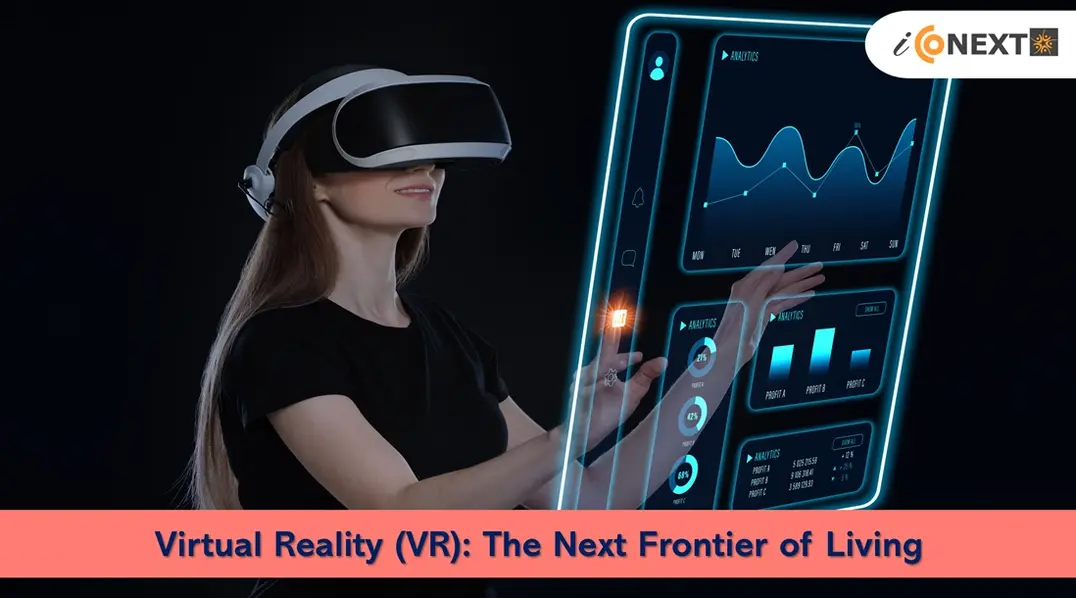
Imagine a future where you can walk into a classroom on the other side of the world without leaving your home. Imagine attending a meeting with colleagues from across the globe as if everyone were in the same room. You could even explore the surface of Mars from your living room. What once seemed possible only in science fiction is rapidly becoming reality. This transformation is being driven by Virtual Reality (VR), a technology that is changing the way people learn, work, communicate, and experience entertainment.
Virtual Reality (VR) is a technology that uses computers to create immersive three-dimensional digital environments, allowing users to feel as though they are physically present within a virtual world. Using devices such as VR headsets and motion controllers, users can see, explore, and interact with digital objects and environments in real time. From gaming and surgical training to historical exploration and virtual collaboration, VR is expanding the boundaries of human experience.
Once considered primarily a tool for entertainment, VR has evolved into one of the most influential technologies shaping the future. As advances in hardware and software continue, the line between the physical world and digital environments is becoming increasingly blurred.
What Equipment Is Needed for VR?
To fully experience Virtual Reality, users typically require specialized equipment designed to simulate presence in a virtual environment. These devices work together to enhance visual perception, movement, and sensory feedback, creating a highly immersive experience.
1. VR Headsets
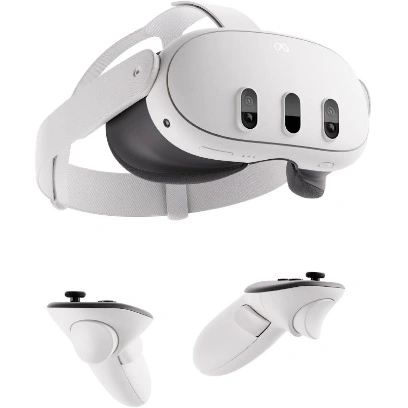
The most essential component of any VR system is the VR headset, such as the Meta Quest 3 or PlayStation VR2. These devices display 360-degree stereoscopic images and track head movement in real time. When users look around, the virtual environment responds instantly, creating the sensation of actually being inside the digital world.
2. VR Controllers
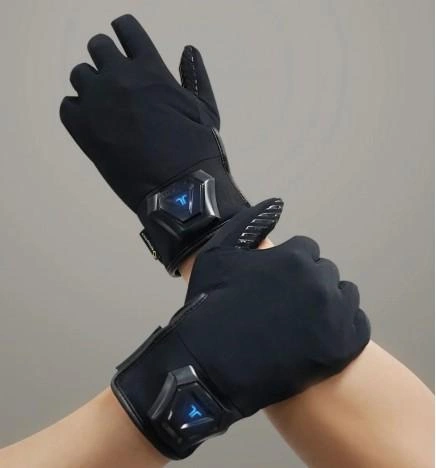
VR systems usually include controllers that serve as virtual hands. Users can grab objects, press buttons, interact with tools, or play games naturally within the virtual environment. Newer technologies, such as VR gloves, further enhance immersion by incorporating haptic feedback, allowing users to feel pressure and touch sensations while interacting with virtual objects.
3. Haptic Suits
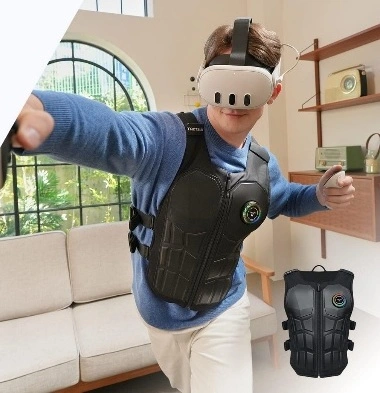
Beyond sight and movement, VR can also simulate the sense of touch through haptic suits. These wearable systems provide vibration and pressure feedback based on events occurring in the virtual world. Whether simulating an impact, a touch, or environmental effects, haptic suits significantly increase immersion and user engagement.
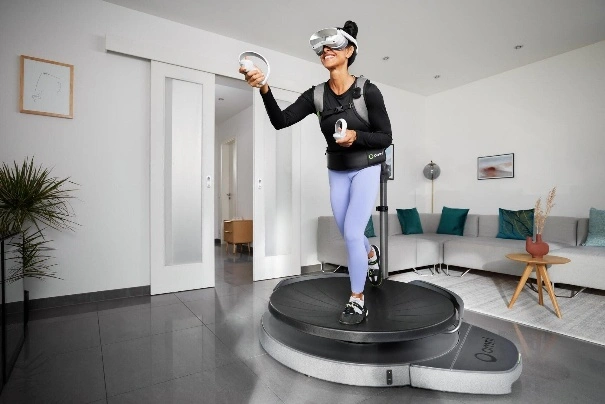
4. VR Treadmills
For users seeking greater freedom of movement, VR treadmills such as the Omni One allow walking, running, turning, and navigating virtual environments while remaining in a fixed physical location. These devices reduce space limitations and create a more natural and realistic locomotion experience.
What Can VR Be Used for Besides Gaming?
Although VR is often associated with gaming, its applications extend far beyond entertainment. Today, VR is becoming an essential tool across multiple industries, helping improve education, healthcare, business operations, and social interaction.
1. Healthcare and Medicine
VR is increasingly used for medical training and patient care. Surgeons can practice complex procedures in realistic simulations before performing them in real life, reducing risks and improving outcomes. VR is also used in rehabilitation programs and psychological therapies, helping patients manage anxiety, stress, and phobias in safe, controlled environments.
2. Education and Learning
VR transforms traditional learning by allowing students to learn through direct experience. Learners can travel through space, explore the solar system, study the human body from the inside, or witness historical events firsthand. This immersive approach improves understanding, engagement, and knowledge retention.
3. Business and Remote Work
As workplaces become increasingly digital, VR is emerging as a powerful tool for collaboration. Virtual meeting spaces allow participants to communicate, present ideas, and work together through avatars, creating a stronger sense of presence than traditional video conferencing. Businesses can also reduce travel costs while improving teamwork and productivity.
4. Gaming and Entertainment
Entertainment remains one of VR’s largest markets. VR games enable players to physically interact with virtual worlds through movement and gestures, creating experiences that are far more immersive than traditional gaming. Beyond gaming, VR is also being used for virtual concerts, sporting events, exhibitions, and live experiences.
How Can VR Be Developed into Applications?
VR opens new possibilities for software developers by enabling entirely new ways of interacting with digital content. Rather than clicking buttons on screens, users can walk through virtual environments, manipulate objects directly, and communicate naturally within immersive spaces.
Popular development platforms such as Unity and Unreal Engine provide powerful tools for building VR applications, while devices like the Meta Quest 3, HTC Vive, and PlayStation VR2 continue to make VR more accessible to consumers. In the future, VR may evolve from individual apps into fully immersive virtual spaces where people can work, study, socialize, shop, and participate in activities as naturally as they do in physical environments.
Popular VR Applications
- VRChat: A New Form of Social Networking
VRChat allows users to create personalized avatars, explore virtual worlds, socialize, and participate in events with people from around the world. Many users view it as a second social universe that offers deeper interaction than traditional social media.
- Beat Saber: Gaming Meets Fitness
Beat Saber combines music, rhythm, and physical movement, making it one of the most successful VR games ever created. It also serves as an engaging form of exercise.
- Immersed: A Virtual Workspace
Immersed enables users to create multiple virtual monitors around them, making it ideal for remote work, programming, and productivity tasks.
- Virtual Desktop: Bringing Your PC into VR
Virtual Desktop lets users connect their computers to VR headsets, providing access to applications, games, and media within a virtual environment.
- TRIPP: Relaxation and Mindfulness
TRIPP uses immersive visuals and audio experiences to help users reduce stress, improve focus, and practice meditation.
- Mondly VR: Language Learning Through Simulation
Mondly VR recreates real-life situations such as airport check-ins, restaurant conversations, and travel scenarios, helping users practice language skills in realistic contexts.
- Half-Life: Alyx: A Benchmark for VR Gaming
Widely regarded as one of the finest VR games ever developed, Half-Life: Alyx showcases the full potential of VR through its realistic graphics, physics, and interactive gameplay.
Challenges Facing VR Technology
Despite its tremendous potential, VR faces several challenges. High equipment costs, hardware limitations, and physical discomfort such as motion sickness and eye strain remain barriers to widespread adoption.
Privacy and data security are also growing concerns, as VR devices can collect detailed information about user behavior, physical movements, and interaction patterns. Additionally, excessive time spent in virtual environments may reduce face-to-face social interaction and impact real-world relationships.
Conclusion
Virtual Reality is rapidly evolving beyond entertainment. It is becoming a platform that may redefine how people live, learn, work, and communicate. Its ability to create immersive and interactive experiences makes it one of the most transformative innovations of the digital age. In the coming decade, people may no longer simply use applications. Instead, they may step inside them. They could live, work, learn, and interact within fully immersive virtual worlds.

