

 TH
TH JP
JP
As AI becomes essential to how businesses operate, helping them work faster, analyze data, and improve customer experiences, organizations are quickly adopting it. However, there is a downside. Hackers and cybercriminals are using the same AI technologies to carry out smarter and more dangerous cyberattacks.
This change goes far beyond using new tools. It marks a major shift in how cyber threats evolve. AI powered attacks are faster, more accurate, and more advanced than ever before. As a result, organizations that still depend on traditional security methods face serious risks, often without even realizing it.
When AI Becomes a Weapon, New Attack Methods Emerge
In the past, launching a cyberattack required deep technical expertise. Hackers needed significant time to analyze system vulnerabilities, write malicious code, and repeatedly test their attacks. Today, AI has dramatically lowered these barriers.
Hackers can now use AI to automatically identify weaknesses, analyze target behavior, and refine attack strategies to be more subtle and highly effective. Key examples of these emerging attack methods include:
• AI‑Powered Phishing: More Convincing Than Ever
Just a few years ago, phishing emails were often recognizable due to poor grammar, spelling mistakes, or suspicious wording. Today, hackers use Large Language Models (LLMs) to generate messages that are fluent, grammatically correct, and tailored to individual targets based on context or behavioral data. As a result, employees may find it extremely difficult to distinguish legitimate emails from malicious ones.
• Deepfakes: Advanced Identity Impersonation
AI can now create very realistic images, audio, and video that impersonate real people, especially senior executives or key decision makers. Hackers can use fake video calls or cloned voices to trick employees into transferring money or sharing sensitive information, causing serious damage in a very short time.
• Automated Malware: Malware That “Learns” and Adapts
AI enables malware to become more intelligent and adaptive. Instead of relying on static behavior, AI‑driven malware can continuously change its patterns to evade detection by traditional antivirus programs that depend on signature‑based databases and periodic updates. This results in delayed threat detection and allows damage to spread more easily.
Real‑World Examples: When AI Makes Attacks Faster and More Widespread
1. Regional Threat Trends
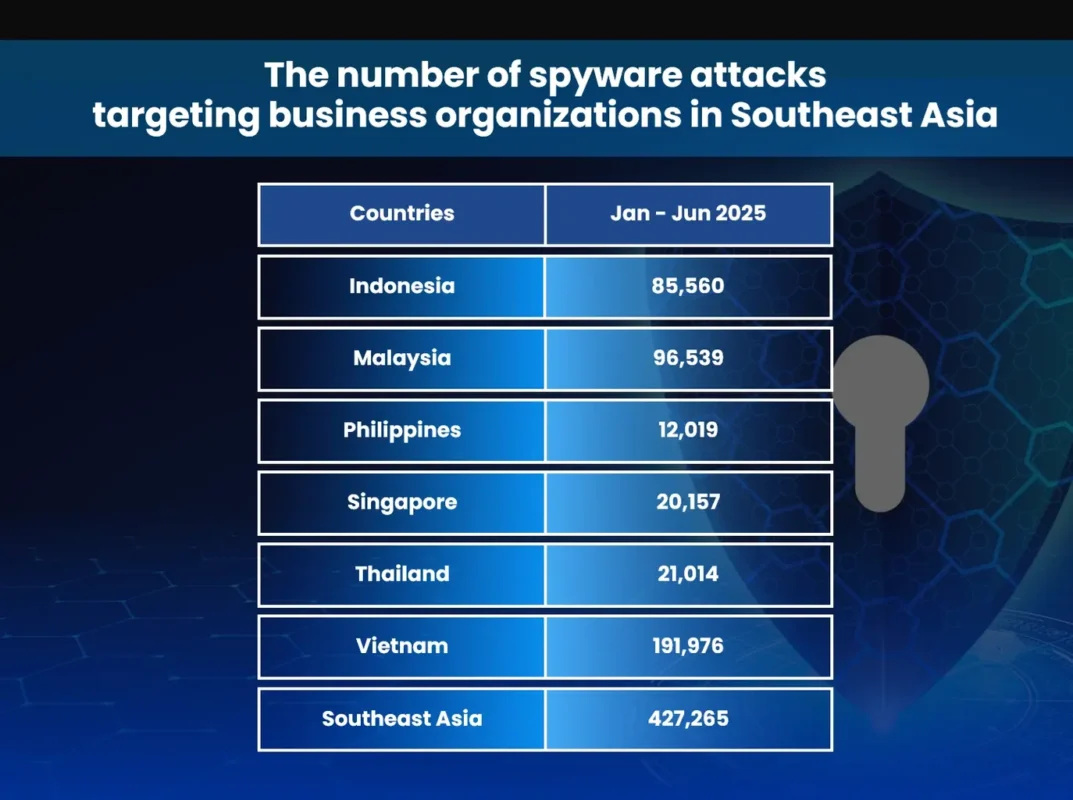
According to data from Kaspersky, spyware detections in Southeast Asia rose sharply during the first half of 2025. This trend highlights how hackers are using automation and AI to scale their attacks rapidly and distribute threats across organizations more broadly than ever before.
2. Alarming Financial Impact
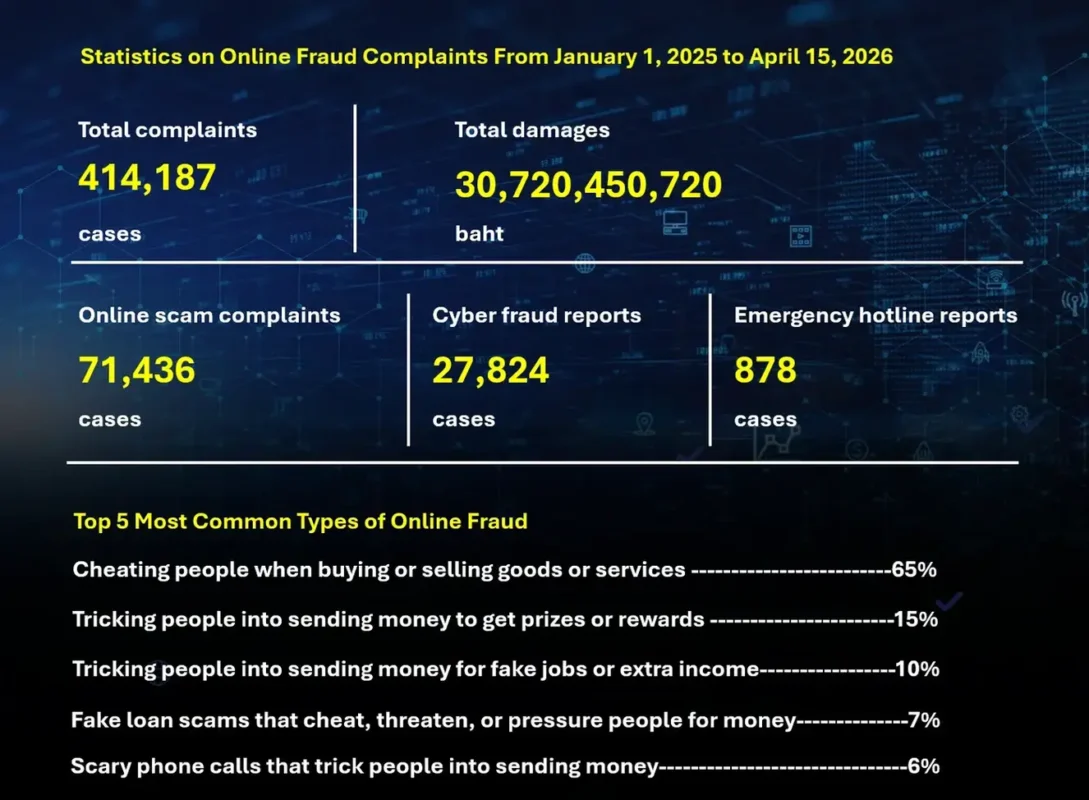
Statistics from Thailand’s Technology Crime Suppression Division reveal that cybercrime losses reached approximately 30 billion baht within just over one year. AI has played a critical role in making scams more realistic and convincing, increasing the likelihood that victims fall for them. Experts also believe that many cases go unreported, meaning the true scale of the damage is likely far greater.
Strategies for Organizations to Respond Effectively
When hackers are armed with AI, traditional defensive approaches are no longer sufficient. Organizations must adapt by combining technology, strategy, and human awareness into an integrated defense model.
1. AI‑Driven Security: Using AI to Fight AI
Organizations should invest in security systems that use AI to detect abnormal behavior in real time, rather than relying solely on virus signature databases that often lag behind emerging threats.
2. Zero Trust Architecture
Adopt the principle of “never trust by default, always verify.” Even requests appearing to come from senior executives or internal staff must go through multiple verification steps, such as multi‑factor authentication, before any action is taken. This helps reduce the risk of identity impersonation.
3. Cybersecurity Awareness
Technology alone is not enough. Employees must be trained to recognize modern threats, particularly deepfakes and AI‑powered phishing attacks. These attacks often create urgency and appear to come from trusted sources, putting pressure on employees to make immediate decisions.
Conclusion
Hackers in the age of AI are not just more skilled. They are faster, more precise, and capable of launching attacks on a far broader scale than ever before. Cybersecurity should no longer be viewed as solely an IT responsibility. Instead, it must be elevated to a core organizational strategy, combining advanced technologies with informed judgment and vigilance across all levels of the workforce.
Only by doing so can organizations strengthen their defenses, reduce risk, and remain resilient against cyber threats in the AI era.

